
 Although often overlooked, Tuscany can and should boast its primogeniture of this peculiar and widespread theatrical genre. Opera was in fact born in Florence thanks to the Camerata Bardi, of which Galileo Galilei’s father was a member over four centuries ago. Since then, opera has spread throughout the world, reaching the United States in the 18th century thanks to another eminent Italian, Lorenzo Da Ponte, librettist of Mozart’s hugely popular trilogy, and then expanding in the 20th century to the Far East, where it remains the most beloved theatrical genre.
In addition to a symphonic opera foundation, the Maggio Musicale Fiorentino, Tuscany is home to three traditional theaters in Lucca, Pisa, and Livorno, a festival ranked among the best nationally and regionally, such as the Puccini Festival in Torre del Lago, and numerous events in the form of festivals or one-off events that take place in the many active theaters in the province of Tuscany and outdoors. Even major institutions such as the Orchestra Regionale Toscana and the Accademia Chigiana stage opera productions in concert form.
As evidenced by data provided by SIAE, opera ticket sales in Tuscany represent a growing percentage of total live entertainment ticket sales, attracting a significant influx of tourists from many European and non-European countries.
There is, therefore, a well-established labor market serving the production and staging of opera and symphonic concerts in our region.
In recent years, thanks to investments made by the Region of Tuscany and the theaters themselves, many Tuscan artists have been able to train and perfect their skills. Today, most of them have become workers with permanent, seasonal, or subordinate contracts, or are self-employed in musical theater.
However, the market needs a constant renewal of employees and increasingly higher qualifications for those already working in the various sectors of theater. There are many theater professions that training can draw on and for which there is constant demand.
Although often overlooked, Tuscany can and should boast its primogeniture of this peculiar and widespread theatrical genre. Opera was in fact born in Florence thanks to the Camerata Bardi, of which Galileo Galilei’s father was a member over four centuries ago. Since then, opera has spread throughout the world, reaching the United States in the 18th century thanks to another eminent Italian, Lorenzo Da Ponte, librettist of Mozart’s hugely popular trilogy, and then expanding in the 20th century to the Far East, where it remains the most beloved theatrical genre.
In addition to a symphonic opera foundation, the Maggio Musicale Fiorentino, Tuscany is home to three traditional theaters in Lucca, Pisa, and Livorno, a festival ranked among the best nationally and regionally, such as the Puccini Festival in Torre del Lago, and numerous events in the form of festivals or one-off events that take place in the many active theaters in the province of Tuscany and outdoors. Even major institutions such as the Orchestra Regionale Toscana and the Accademia Chigiana stage opera productions in concert form.
As evidenced by data provided by SIAE, opera ticket sales in Tuscany represent a growing percentage of total live entertainment ticket sales, attracting a significant influx of tourists from many European and non-European countries.
There is, therefore, a well-established labor market serving the production and staging of opera and symphonic concerts in our region.
In recent years, thanks to investments made by the Region of Tuscany and the theaters themselves, many Tuscan artists have been able to train and perfect their skills. Today, most of them have become workers with permanent, seasonal, or subordinate contracts, or are self-employed in musical theater.
However, the market needs a constant renewal of employees and increasingly higher qualifications for those already working in the various sectors of theater. There are many theater professions that training can draw on and for which there is constant demand.
In the technical sector: ranging from electricians, theater sound engineers, stagehands, prop makers and fitters, costume designers and seamstresses working in theater workshops or numerous Tuscan ateliers that have achieved levels of absolute excellence, to makeup artists and theater hairdressers, thanks to their skills and high level of professionalism.
In the arts: orchestra conductors, choir artists, accompanists, stage managers, and musical directors, along with assistant directors and lighting designers, are the most important roles. The picture of the skills and high level of professionalism required is completed by theater managers, artistic secretaries, and music archivists, as well as accountants who are experts in handling paperwork and contracts specific to the theater.
While on the demand side, as mentioned, we are aware of the need to draw on a market composed of professionals, on the supply side we see a
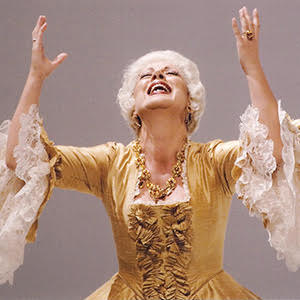
Mariapia Ionata
Docente corso di cantanti lirici
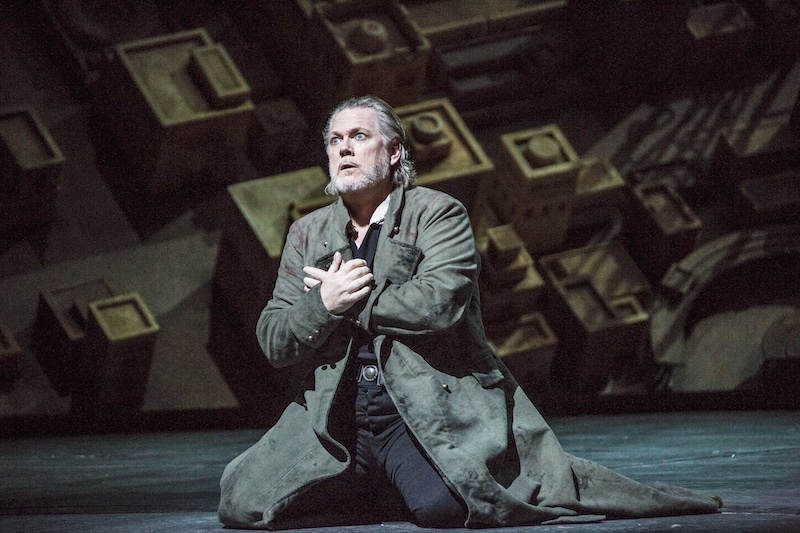
Gregory Kunde
Masterclass per il corso di cantanti lirici
Sonia Franzese
Docente Coro delle voci bianche
Silvia Gasperini
Docente corso maestri collaboratori
Hugo De Ana
Docente corso per scenografi
Franca Squarciapino
Docente corso per costumisti
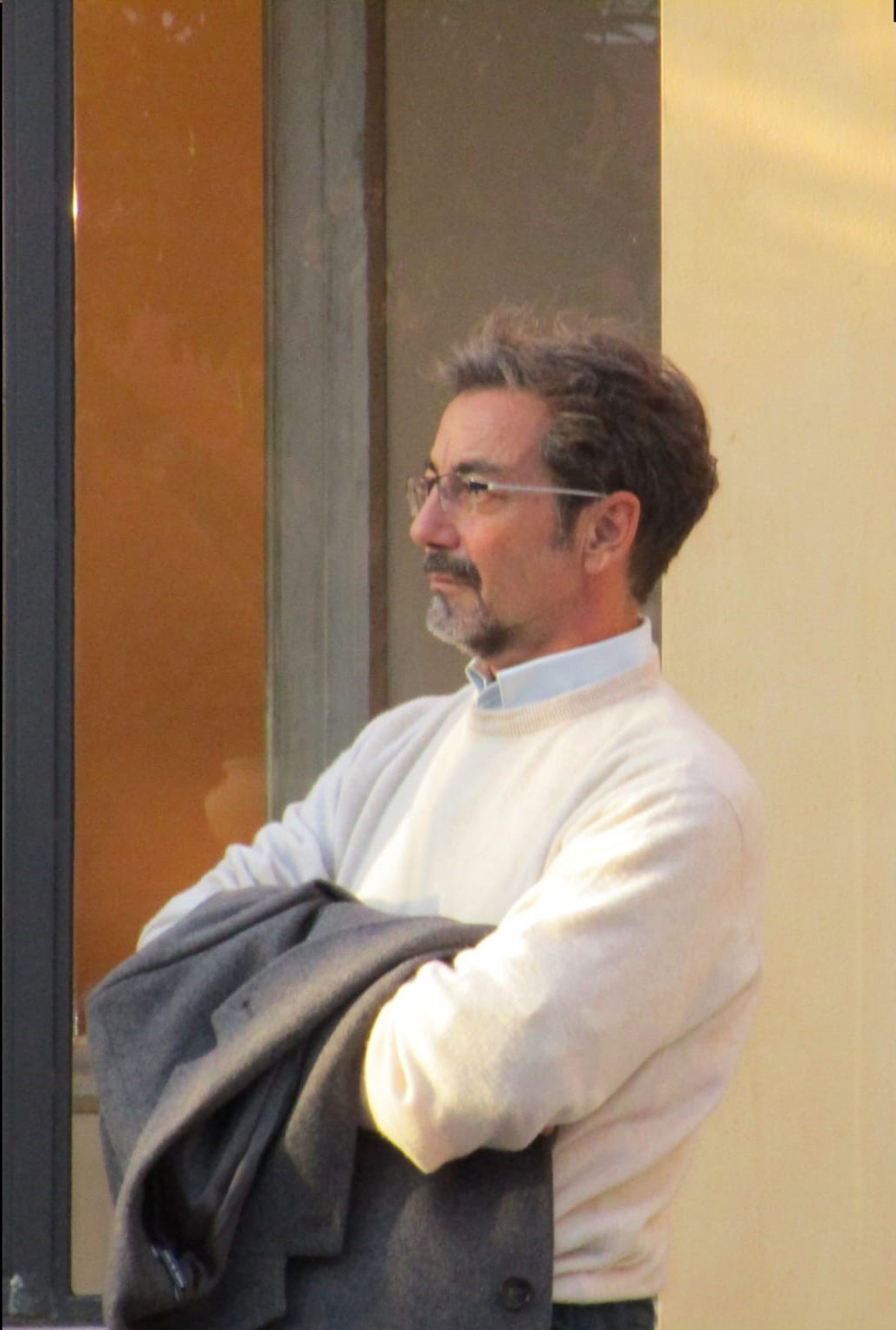
Valerio Alfieri
Docente corso illuminotecnica
